
Press Contact:
Uncategorized
Resource management is essential for municipalities and utility providers. Ensuring efficient allocation of water, energy, and public infrastructure helps communities reduce costs, improve sustainability, and enhance service reliability. However, traditional systems often rely on manual processes, leading to inefficiencies, wasted resources, and higher operational expenses.
Industrial automation management addresses these challenges by integrating smart technology, advanced monitoring systems, and industrial automation services to create responsive, data-driven resource management solutions. By leveraging automation effectively, municipalities can improve resource management, optimize energy and water distribution, and enhance public services.
Key Takeaways
- Optimized resource allocation – Automation distributes resources efficiently using real-time data.
- 24/7 operation – Automated systems reduce downtime and increase productivity.
- Cost savings – Lower energy consumption, reduced waste, and minimal labor expenses.
- Data-driven decisions – AI analytics improve planning and usage efficiency.
- Consistent quality – Automation ensures high service standards and fewer errors.
LEC Technologies specializes in smart infrastructure solutions, helping municipalities integrate industrial automation services into existing systems. With a focus on water and utility management, LEC Technologies provides tailored automation strategies that ensure sustainability and long-term efficiency.
The Role of Industrial Automation Management in Resource Optimization
Smarter Allocation of Resources
Municipalities often struggle with resource allocation, particularly in areas like water management, energy distribution, and public infrastructure maintenance. Industrial automation improves efficiency by enabling:
- Real-time monitoring – Smart sensors track usage patterns, identifying areas of waste or inefficiency.
- Automated control systems – Adjustments to water flow, power grids, or public utilities happen automatically based on demand.
- Predictive analytics – AI-driven insights help plan for future resource needs and prevent shortages.
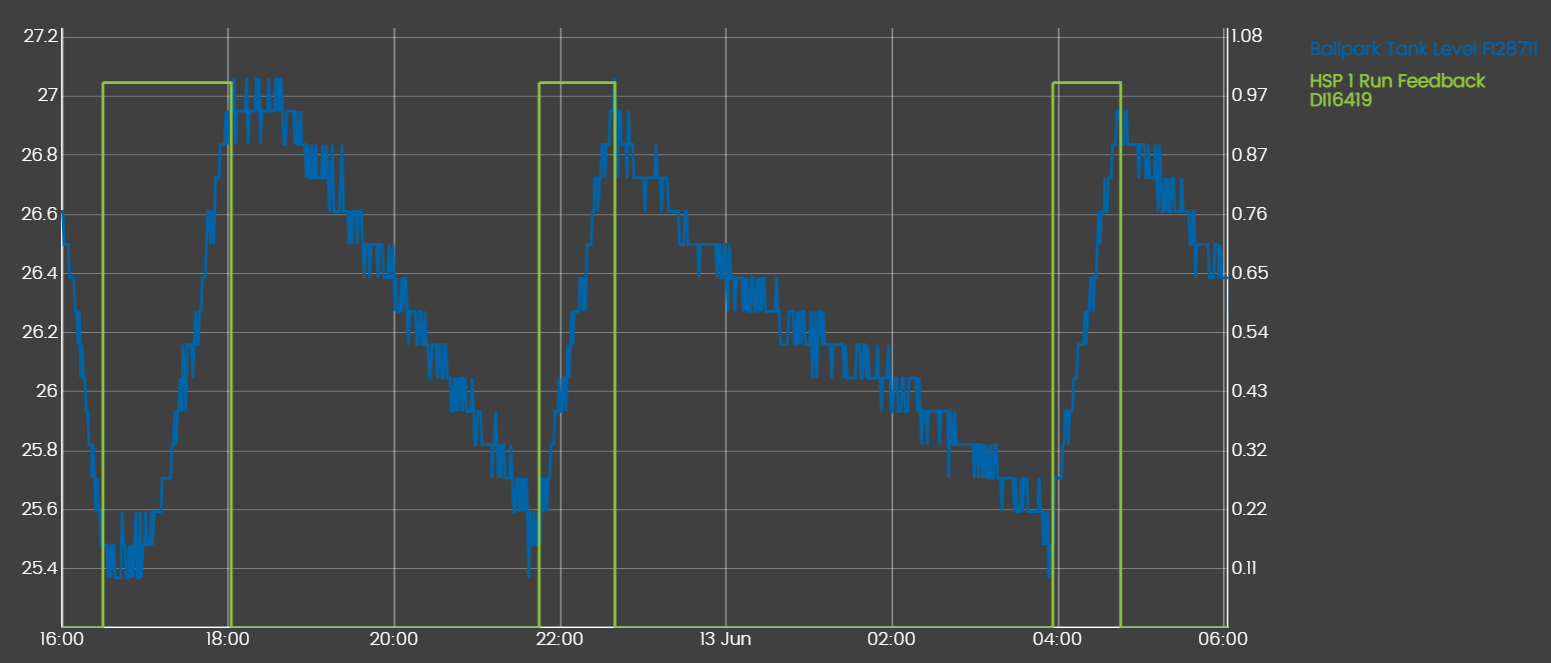
For example, water distribution networks benefit from automated leak detection, ensuring that municipalities reduce water loss and enhance conservation efforts. Similarly, smart energy grids optimize power flow based on real-time consumption, preventing blackouts and reducing overall costs.
Reducing Waste and Maximizing Efficiency
Unlike traditional resource management, automation enables municipalities to run operations 24/7 without unnecessary interruptions. This provides several key benefits:
- Minimized energy waste – Smart grids dynamically adjust to optimize power distribution.
- Reduced downtime – Automated maintenance schedules prevent unexpected system failures.
- Lower water loss – Leak detection and flow control systems prevent unnecessary waste.
By integrating industrial automation management, municipalities can ensure reliable public services while reducing operating costs.
Cost Savings Through Automation
Automation significantly lowers costs by minimizing labor-intensive processes and optimizing resource utilization. Municipalities can save money through:
- Lower labor costs – Automated systems require fewer manual interventions.
- Reduced material waste – AI-driven monitoring prevents overuse of water, electricity, and other resources.
- Decreased maintenance costs – Automated alerts and predictive analytics prevent costly repairs.
For example, an automated water management system can detect inefficiencies before they escalate, preventing large-scale repairs that would otherwise cost municipalities millions. Similarly, smart lighting systems in public spaces can adjust brightness based on occupancy, reducing electricity bills.
Data-Driven Decision-Making for Smarter Cities
One of the biggest advantages of industrial automation services is the ability to collect and analyze real-time data. This leads to smarter decision-making for municipal services, including:
- Predicting peak demand for water and electricity, ensuring a stable supply. Knowing what volumes you’re likely to need ahead of time means you can plan ahead and put yourself in a good position to provide them.
- Identifying inefficiencies in public services before they become costly problems. If you can do this, you save yourself money as a utility provider. You could then pass those savings on to your customer in the form of a lower utility bill.
- Optimizing waste management schedules. This reduces unnecessary fuel consumption for collection trucks, unnecessary traffic congestion (through having trucks on the road that don’t need to be there), and staffing costs (by avoiding running collection routes / shifts unless they’re actually needed)..
For instance, AI-powered traffic light automation can monitor road congestion and adjust signal timing to improve vehicle flow. This minimizes fuel waste, reduces emissions, and enhances urban mobility.
Explore our related blog post, which goes deeper into how LEC Technologies helps municipalities automate smart infrastructure.
Improving Quality and Reliability of Public Services
Automation provides municipalities with greater control over service quality, ensuring that critical utilities remain consistent and reliable. Automated systems:
- Ensure clean water supply by maintaining optimal treatment processes.
- Stabilize power distribution, preventing outages and voltage fluctuations.
- Enhance waste management efficiency, reducing missed collections or overflow issues.
LEC Technologies integrates legacy systems into modern automation frameworks, allowing municipalities to upgrade their infrastructure without requiring complete overhauls.

Emerging Technologies in Municipal Automation
The future of industrial automation services includes:
- AI-driven predictive analytics for resource allocation.
- Autonomous grid management to self-regulate electricity distribution.
- Expanded IoT networks for real-time municipal monitoring.
Municipalities investing in automation today will future-proof their cities, ensuring long-term sustainability, lower costs, and improved public services.
Frequently Asked Questions
How does industrial automation improve resource management?
Automation enhances efficiency by using real-time data and AI to reduce waste, optimize energy and water distribution, and prevent costly inefficiencies.
What are the key benefits of industrial automation for municipalities?
Municipalities benefit from cost savings, sustainability, improved efficiency, and more reliable services for their communities.
Can automation integrate with existing municipal systems?
Yes, LEC Technologies specializes in integrating legacy infrastructure with modern automation solutions, allowing seamless upgrades.
Is automation expensive to implement?
While there is an initial investment cost, automation soon ‘pays for itself’ by improving resource management, providing significant long-term cost reductions through lower energy use, fewer repairs, and optimized labor costs.
How does automation contribute to environmental sustainability?
By reducing water waste, optimizing power usage, and minimizing inefficiencies, automation plays a key role in sustainable urban planning.
Conclusion
By leveraging industrial automation management, municipalities can improve resource management, enhance public services, and reduce operational costs. LEC Technologies provides tailored automation solutions to support the evolving needs of smart infrastructure and municipal resource management.
Explore products and services from LEC Technologies today.
Need Help with Easier Industrial Solutions? We Are Experts!
We Are Experts in transforming industrial operations. Let's discuss how we can help your business achieve similar results.
Be updated with our
Latest News & Articles

Pump Control Solutions and Remote Monitoring for Utilities

Smart Infrastructure Solutions with Cloud SCADA Systems
Remote Pump Monitoring Solutions for Smart Infrastructure

Lift Station Monitoring Solutions with IIoT and SCADA

Real-World IIoT Applications from LEC Technologies