
Transforming Industrial Automation with SCADA Integrations
Press Contact:
Uncategorized
SCADA integration is reshaping industrial automation by connecting control systems, equipment, and analytics to improve efficiency and reliability from the factory floor to the enterprise level. With LEC Technologies’ iQ2 Platform, SCADA services and applications integrate seamlessly with IIoT systems to enable smarter, more connected operations.
Key Takeaways
- SCADA integration connects various control systems for improved operational oversight.
- This system integration combines hardware and software to streamline processes.
- A dedicated SCADA integrator plays a significant role in tailoring solutions to industry needs.
- Practical insights, bullet-point summaries, and external resources support further learning.
What is SCADA integration?
SCADA integration is the process of unifying disparate control systems to enable comprehensive monitoring and control of industrial operations. Integration means linking sensors, controllers, and software systems to deliver real-time insights and automated responses. Early SCADA implementations focused on isolated systems, while modern approaches emphasize holistic connectivity.
Key components include:
- Real-time Data Acquisition: Sensors and controllers feed live data to centralized platforms.
- Automated Control Systems: Software algorithms trigger actions based on predefined thresholds.
- Data Visualization: Graphical interfaces translate raw data into actionable insights.
Understanding SCADA system integration
SCADA system integration combines multiple industrial subsystems into a unified control network. This approach simplifies operations, reduces errors, and lowers costs. By consolidating process data, it enhances visibility and supports faster, data-driven decision-making.
Core Features
- Centralized Monitoring: Operators can oversee multiple processes from a single interface.
- Seamless Data Exchange: Systems communicate seamlessly and effectively.
- Scalability: Easily adapts to additional equipment or new process requirements.
Benefits
- Improved Efficiency: Automation minimizes manual intervention, which ensures rapid response times.
- Enhanced Safety: Real-time monitoring detects anomalies early-helps in reducing risks.
- Cost Reduction: Integrated systems optimize resource use and maintenance schedules.
Practical Applications
- Manufacturing plants
- Energy management systems
- Water treatment facilities
These features form the backbone of the integration, which helps industries to monitor, analyze, and control complex processes with greater precision.
Role of a SCADA integrator in Modern Industries
A SCADA integrator is an expert who specializes in combining hardware, software, and communication networks into a cohesive system. Their role is critical in ensuring that all components function together seamlessly, aligning with the operational goals of an organization.
Key Responsibilities Include
- System Design & Architecture: Crafting a blueprint that accommodates current operations and future growth.
- Hardware and Software Coordination: Selecting compatible devices and ensuring robust integration.
- Testing and Troubleshooting: Verifying that data flows accurately and that the system meets industry standards.
- Customization: Tailoring solutions to specific industry challenges, ensuring the system meets unique operational needs.
Key Competencies
- Technical Expertise: In-depth knowledge of control systems, networking, and software integration.
- Project Management: Overseeing integration projects from conception through implementation.
- Problem-Solving: Quickly diagnosing and resolving system issues to minimize downtime.
In industries ranging from manufacturing to energy, the integrator is essential for bridging the gap between legacy systems and modern digital solutions, ensuring an optimal blend of reliability and innovation.
Integration Advantages and Challenges in Industrial Systems
Integrating SCADA brings measurable benefits-but successful implementation also requires overcoming certain challenges.
Advantages
- Enhanced Operational Efficiency: Unified control systems streamline processes, reducing manual errors and boosting productivity.
- Real-Time Decision-Making: Instant data analysis helps in making swift, informed decisions.
- Predictive Maintenance: Continuous monitoring allows early detection of potential failures, thereby reducing costly downtimes.
- Improved Safety: Centralized alerts and controls contribute to a safer working environment.
- Data-Driven Insights: Consolidated data provides comprehensive trends and analytics that help optimize operations.
Challenges
- Complex Integration Processes: Merging disparate systems can be intricate, requiring expert intervention.
- Cybersecurity Risks: As more devices connect to a single network, the system becomes a potential target for cyber threats.
- Cost of Implementation: Initial investments can be high, though they are often offset by long-term savings.
- System Downtime During Transition: Transitioning to an integrated system may temporarily disrupt operations if not managed carefully.
Final Thoughts…
In today’s evolving industrial landscape, SCADA integration isn’t just modernization-it’s a strategic step towards smarter, more connected operations. As demands for efficiency, safety, and scalability grow, integrated control systems help drive reliability and long-term performance.
Ready to see what SCADA integration can do for your operations? Contact our team to start your IIoT journey!
October 30, 2025
Need Help with Easier Industrial Solutions? We Are Experts!
We Are Experts in transforming industrial operations. Let’s discuss how we can help your business achieve similar results.
Learn MoreBe updated with our
Latest News & Articles
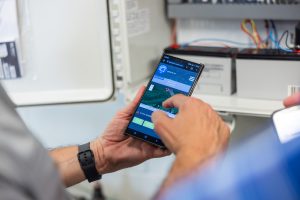
Pump Control Solutions and Remote Monitoring for Utilities
Pump Control Solutions and Remote Monitoring for Utilities Press Contact: media@lec2.tech Uncategorized Municipal and utility operators … Read More →
Smart Infrastructure Solutions with Cloud SCADA Systems
Smart Infrastructure Solutions with Cloud SCADA Systems Press Contact: media@lec2.tech Uncategorized Transforming Utility Operations Through Smart … Read More →
Remote Pump Monitoring Solutions for Smart Infrastructure
Remote Pump Monitoring Solutions for Smart Infrastructure Press Contact: media@lec2.tech Uncategorized Municipal water utilities lose billions … Read More →
Lift Station Monitoring Solutions with IIoT and SCADA
Lift Station Monitoring Solutions with IIoT and SCADA Press Contact: media@lec2.tech Uncategorized Modern lift station monitoring … Read More →
Real-World IIoT Applications from LEC Technologies
Real-World IIoT Applications from LEC Technologies Press Contact: media@lec2.tech Uncategorized IIoT applications provide operators real-time visibility … Read More →